Healthcare in the United States is at a turning point. As costs continue to rise, complexity keeps increasing, and yet the outcomes often fail to improve, employers, clinics, and patients alike are asking themselves if this system is sustainable, or if something fundamental has to change.
Several shifts are happening at the same time, pointing towards a new direction.
1. Employer Benefits Fatigue.
Employers are feeling the strain. Year after year, premiums increase, options become more limited, and the return on investment is harder to justify. Many companies are offering healthcare benefits that are expensive, underutilized, and frustrating for employees to navigate. This growing fatigue is pushing employers to look beyond traditional insurance models for more effective solutions.
2. Unbundled Healthcare Shift.
Instead of relying on a single insurance plan to cover everything, employers are beginning to explore more flexible, “unbundled” approaches. This might include combining Direct Primary Care, medical cost sharing, and other targeted solutions. The goal is simple: better care, more control, and greater transparency.
3. price transparency laws are backfiring.
Policies like the Hospital Price Transparency Rule were designed to make healthcare more understandable and affordable. While they have increased access to pricing information, they haven’t reduced complexity in a meaningful way. For employers and patients, not much has changed – the system is still difficult to predict and even harder to manage.
4. The Primary Care Shortage Is Getting Worse.
The Shortage of Primary Care physician continues to grow, leading to longer wait times and increasingly rushed appointments. For many patients, meaningful access to a doctor is becoming harder, not easier. This shortage is one of the clearest signs that the current system is under serious strain.
5. Technology Is Advancing, But Access Is Not.
AI and digital health tools are rapidly entering the healthcare space. They promise efficiency and innovation, but they also come with privacy concerns. While technology can be a good supplement to support care, it cannot replace the relationship between patient and doctor, nor can it solve the bottleneck in primary care availability.
A Different Approach: Direct Primary Care
Amid these challenges, a different model is gaining traction.
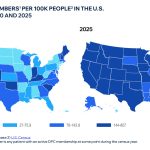
Direct Primary Care (DPC) offers a simpler, more transparent approach. Patients and employers pay a predictable monthly fee for access to a dedicated primary care provider. Appointments are longer, access is easier, and care is focused on prevention and root causes rather than reactive treatments.
For employers, this often translates into lower overall costs, fewer urgent care visits, and a healthier, more engaged workforce. When paired with medical cost sharing for larger or unexpected events, DPC becomes part of a complete and practical healthcare solution.
What the Future May Hold
Could healthcare actually be simple?
What if employees could access their doctor when they needed to, without delays or uncertainty? What if employers could offer a benefit that was both affordable and truly valuable?
A different kind of healthcare system is taking shape. One that is built on relationships, transparency, and proactive care. One where patients are supported in staying healthy, not just treated when they become sick. One where better access leads to better outcomes, for individuals and organizations alike.
Healthcare in 2026 may still be expensive and complex, but it is also changing. Employers who are willing to explore new models have an opportunity to step into a more sustainable, more human approach to care.
If you’re rethinking your healthcare strategy, now is the time to look at what’s possible.
Let’s connect and explore how Vital Edge Health can support your team.